“One Strong Backlink Can Do More Than 100 Random Posts.”
Boost your Google rankings, authority, and organic traffic with the power of strategic backlinks.
In the fast-changing world of digital marketing, SEO continues to evolve every year. While algorithms, AI-generated content, and user behavior constantly shift, one thing remains incredibly powerful — backlinks.
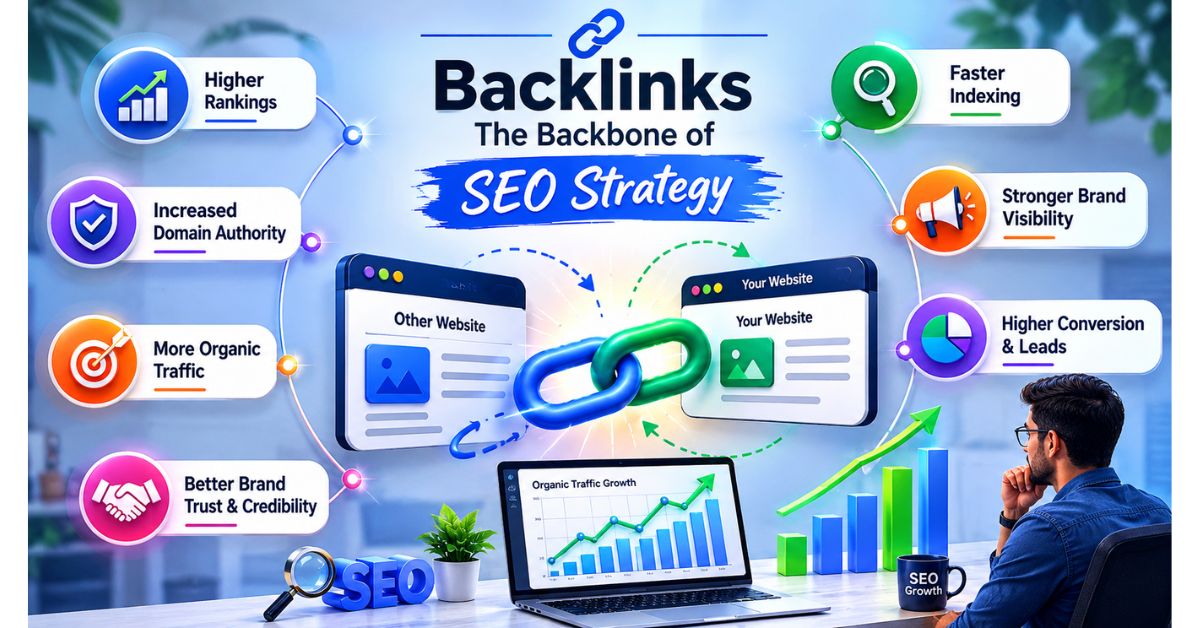
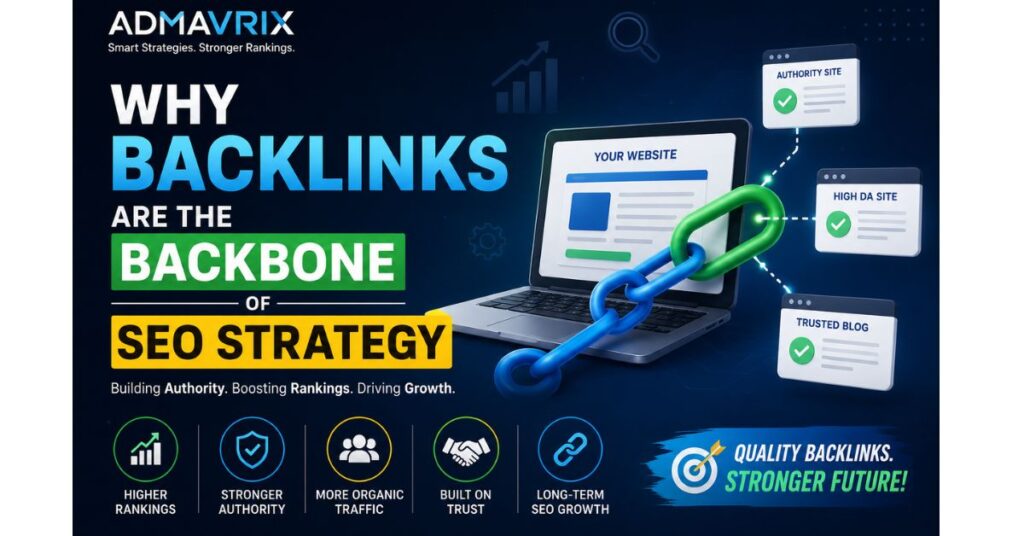
Backlinks are often called the “votes of confidence” of the internet. When trusted websites link to your content, search engines like Google understand that your website offers value, credibility, and relevance. This directly impacts your rankings in search results.
Without strong backlinks, even the best-written content can struggle to rank. That’s why backlinks remain the backbone of every successful SEO strategy.
At Admavrix, we help brands build smart SEO strategies that combine high-quality content, technical SEO, and authoritative backlinks to drive sustainable growth.
Meaning of Backlinks in SEO
A backlink is a hyperlink from one website to another. When another website links to your page, it signals trust and authority to search engines.
Example:
If a popular digital marketing blog links to your article about SEO trends, Google sees your content as more valuable and trustworthy.
There are two major types of backlinks:
1. DoFollow Backlinks
These pass SEO authority (link juice) and help improve rankings.
2. NoFollow Backlinks
These may not directly pass ranking value but still help with traffic, visibility, and brand awareness.
Key Points About Backlinks
- Backlinks improve domain authority
- High-quality links increase Google rankings
- Relevant backlinks drive targeted traffic
- Natural backlinks improve trustworthiness
- Strong backlink profiles improve indexing speed
- Backlinks help websites compete in competitive industries
- Quality matters more than quantity
Features of a Strong Backlink Strategy
1. High Domain Authority Links
Links from trusted websites carry more SEO value.
2. Relevant Industry Sources
Links from websites related to your niche improve contextual authority.
3. Natural Link Building
Google prefers organic and genuine backlinks over spammy methods.
4. Anchor Text Optimization
Using relevant keywords naturally in links helps search engines understand content.
5. Diverse Link Profile
A healthy mix of blogs, directories, news sites, and social mentions strengthens SEO.
Benefits of Backlinks for SEO
Better Google Rankings
Quality backlinks help pages rank higher for competitive keywords.
Increased Organic Traffic
Higher rankings bring more visitors from search engines.
Improved Brand Authority
Backlinks from respected websites build credibility.
Faster Website Indexing
Search engines discover linked pages faster.
Long-Term SEO Growth
Unlike ads, backlinks can continue delivering results for years.
Quick Insights Table
SEO Factor | Impact of Backlinks |
Google Rankings | High |
Organic Traffic | Significant Increase |
Domain Authority | Strong Improvement |
Brand Credibility | Increased Trust |
Website Visibility | Better Exposure |
Lead Generation | Improved Conversion Potential |
Small Case Study
A local eCommerce business struggled to rank for competitive keywords despite publishing quality content regularly.
Strategy Used:
- Guest posting on niche blogs
- Digital PR campaigns
- Broken link building
- Internal SEO optimization
Results in 6 Months:
- 180% increase in organic traffic
- 60% increase in keyword rankings
- 40+ quality backlinks earned
- Significant growth in leads and conversions
This proves that backlinks are not optional anymore — they are essential.
Why Google Loves Backlinks
Google’s algorithm uses backlinks as a trust signal.
When authoritative websites link to your content, Google interprets it as:
- Valuable
- Informative
- Relevant
- Trustworthy
However, not all backlinks are equal.
High-Quality Backlinks Include:
- Relevant websites
- Real traffic websites
- Editorial links
- Natural anchor text
- Trusted domains
Low-Quality Backlinks Include:
- Spam directories
- Link farms
- Paid spam links
- Irrelevant sites
- Automated backlinks
Google prioritizes quality over quantity.
Real Example / Case Study
A SaaS company published a detailed industry report.
After gaining backlinks from:
- Industry blogs
- News publications
- Marketing forums
- Influencer mentions
Their article ranked on Google’s first page within weeks.
The result:
- Thousands of organic visitors
- Higher brand recognition
- Increased conversions
- Stronger domain authority
Latest Backlink Trends in 2026
AI-Powered Link Analysis
SEO tools now use AI to evaluate backlink quality more accurately.
Digital PR Growth
Brands are using PR campaigns for natural backlink acquisition.
Topical Authority Matters More
Google rewards backlinks from niche-relevant websites.
Content Collaboration
Partnership-based content is becoming a major link-building strategy.
E-E-A-T Optimization
Experience, Expertise, Authority, and Trust are heavily influenced by backlinks.
Common Backlink Mistakes
Buying Spam Links
Cheap backlinks can trigger Google penalties.
Ignoring Relevance
A backlink from an unrelated website has limited SEO value.
Over-Optimized Anchor Text
Using the same keyword repeatedly appears manipulative.
Quantity Over Quality
Hundreds of poor links are weaker than a few strong ones.
Not Monitoring Backlinks
Toxic links can damage rankings over time.
Pro Tips From SEO Experts
Create Link-Worthy Content
Publish research, guides, statistics, and original insights.
Use Guest Posting Strategically
Focus on authority websites in your niche.
Build Relationships
Networking with publishers and bloggers increases opportunities.
Improve Internal Linking
Strong internal SEO supports backlink effectiveness.
Monitor Competitor Backlinks
Analyze where competitors are earning links.
Step-by-Step Guide to Build Backlinks
Step 1: Create High-Quality Content
Focus on solving real user problems.
Step 2: Research Competitor Backlinks
Use SEO tools to identify opportunities.
Step 3: Outreach to Relevant Websites
Pitch useful content ideas professionally.
Step 4: Publish Guest Posts
Provide value-driven articles to authoritative websites.
Step 5: Use Digital PR
Share newsworthy content and research.
Step 6: Monitor Backlink Health
Track toxic links and performance regularly.
Expert Quotes
“Backlinks remain one of Google’s strongest ranking signals.” — SEO Industry Experts
“Authority is earned through trust, and backlinks are digital trust signals.”
“Content alone is not enough; strategic backlinks amplify visibility.”
Future Outlook of Backlinks
Backlinks will continue to play a major role in SEO even as AI transforms search engines. Google increasingly prioritizes authority, trust, and topical relevance.
In the future, backlink quality, content expertise, and brand reputation will become even more interconnected. Businesses investing in ethical and strategic link-building today will dominate organic search tomorrow.
Conclusion
Backlinks are not just another SEO tactic — they are the foundation of digital authority.
A strong backlink strategy helps businesses improve rankings, build trust, attract traffic, and stay competitive in crowded markets. While SEO continues evolving, backlinks remain one of the most powerful ranking factors in Google’s algorithm.
Businesses that focus on quality, relevance, and long-term value will continue winning in organic search.
Contact Admavrix Today at www.admavrix.com to helps businesses grow through advanced SEO strategies, authority link building, content marketing, and digital growth solutions.