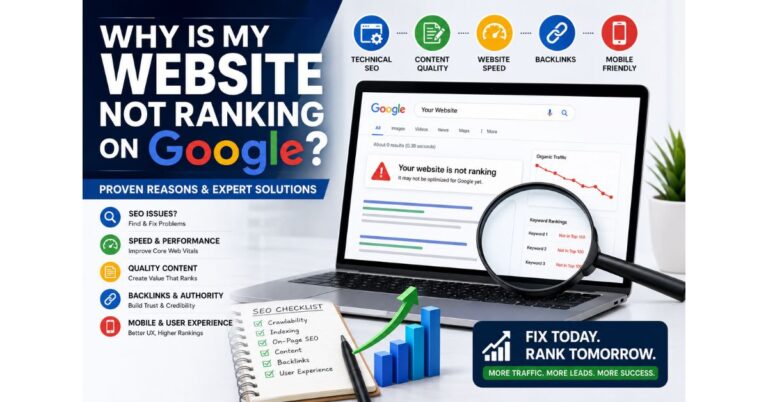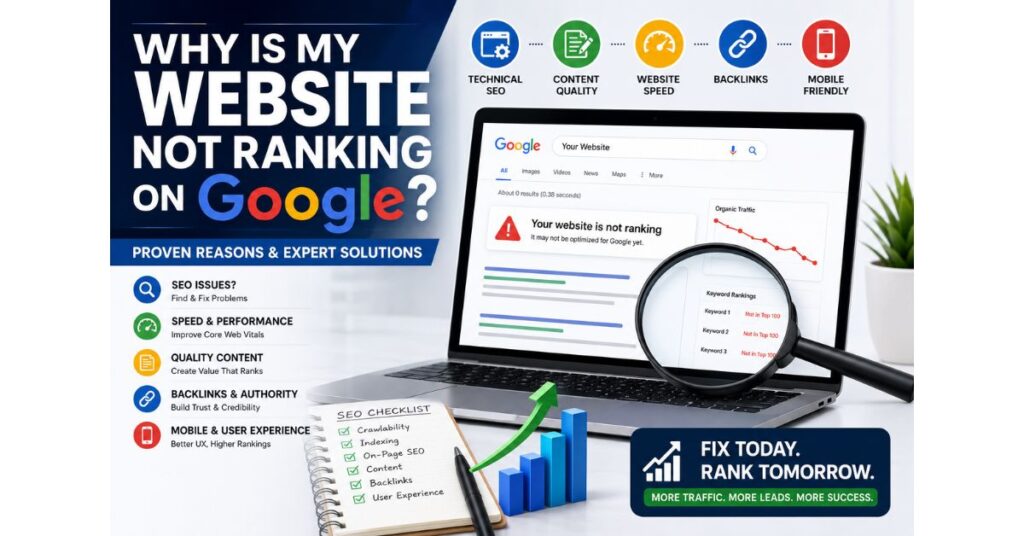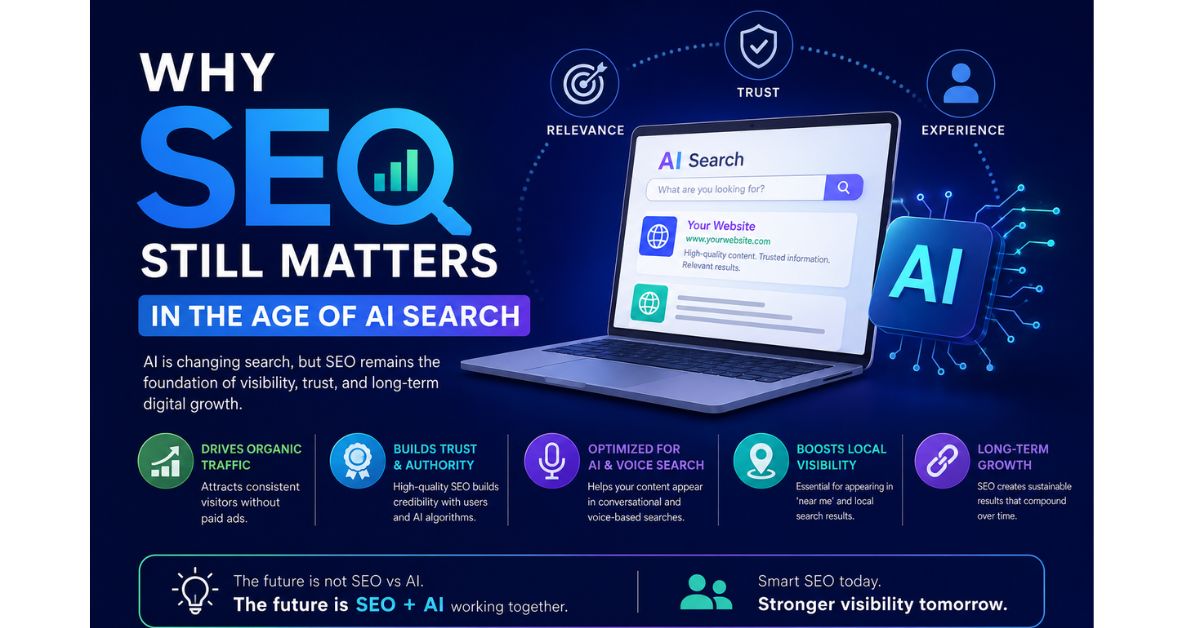
SEO is not dead—it’s evolving. In the age of AI-powered search engines like Google’s AI Overviews, Bing Copilot, and Perplexity, SEO remains the backbone that ensures your content is discoverable, credible, and cited in AI-generated answers. Without strong SEO, AI models simply won’t surface your brand.
Why SEO Still Matters in AI Search
AI depends on SEO: Large Language Models (LLMs) and AI search tools are trained on web content. If your site isn’t optimized, it won’t be indexed, crawled, or cited in AI responses.
User intent remains critical: Whether users type or ask conversational queries, their goals—finding answers, solutions, or products—haven’t changed. SEO ensures your content aligns with these intents.
E-E-A-T guidelines: Experience, Expertise, Authoritativeness, and Trustworthiness are more important than ever. AI search engines prioritize authoritative sources, making credibility a ranking factor.
Technical SEO: Site speed, mobile responsiveness, structured data, and accessibility remain foundational. AI tools rely on structured data (Schema markup) to interpret and present your content accurately.
Commercial and branded searches: While AI answers many informational queries directly, transactional and branded searches still drive clicks and conversions.
SEO vs. AI Search
| Aspect | Traditional SEO | AI-Powered Search |
| Focus | Ranking in SERPs | Appearing in AI-generated answers |
| Content | Keywords & backlinks | Conversational, intent-driven, authoritative |
| Metrics | Organic traffic, keyword rank | AI citations, mentions, share of voice |
| User Experience | Clicking links | Direct conversational answers |
| Technical Needs | Crawlability, site speed | Structured data, schema markup |
Traditional SEO
- Keyword Optimization → Focus on ranking specific keywords in SERPs.
- Backlinks → Authority built through external links.
- Organic Rankings → Success measured by position on Google’s search results.
- Clicks & Traffic → Users click links to visit websites.
- On-Page SEO → Title tags, meta descriptions, keyword density.
- Technical SEO → Crawlability, site speed, mobile responsiveness.
- User Experience → Engagement metrics like bounce rate and dwell time.
AI-Powered Search SEO
- Conversational Queries → AI answers natural language questions directly.
- AI Citations → Visibility comes from being cited in AI-generated answers.
- Authority & Trust → E-E-A-T signals (expertise, trustworthiness) drive AI references.
- Structured Data → Schema markup helps AI interpret and cite content correctly.
- Zero-Click Visibility → Even without clicks, citations build brand awareness.
- Content Format → Natural language, FAQs, and intent-driven answers perform better.
- Brand Recognition → AI mentions strengthen credibility and long-term visibility.
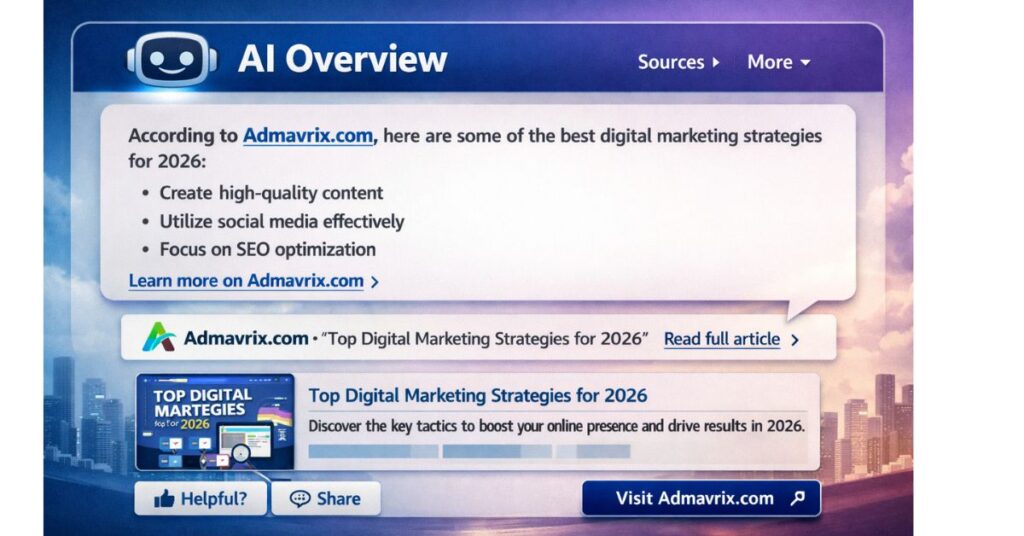
AI Still Depends on Searchable Content
AI tools do not create information from nowhere. They rely heavily on existing online content, websites, blogs, articles, and authoritative pages.
That means businesses with strong SEO foundations still have a major advantage.
If your content is well-optimized, informative, and trustworthy, AI systems are more likely to recognize, reference, and surface your brand in search experiences.
In simple words:
No SEO = Less visibility for both search engines and AI platforms.
Why SEO Is More Important Than Ever
1. Organic Traffic Still Drives Business Growth
Paid ads can generate quick visibility, but SEO creates long-term organic traffic.
A well-ranked website continues attracting visitors without constant advertising costs. Even in the AI era, users still click on trusted websites for deeper information, comparisons, reviews, and services.
Businesses investing in SEO today are building long-term digital assets.
2. AI Rewards High-Quality Content
Modern search algorithms focus on:
- Content relevance
- User experience
- Expertise
- Trustworthiness
- Helpful information
This means keyword stuffing and outdated SEO tricks no longer work.
Instead, brands must create valuable, human-focused content that genuinely solves problems.
For example:
AI may help generate blog outlines or ad copy, but human creativity refines tone, storytelling, emotional connection, and brand voice — similar to how brands like Nike and Apple create memorable campaigns.
That’s why the combination of AI in marketing and human expertise is becoming the new standard.
3. Voice Search and Conversational Queries Need SEO
Voice searches are growing rapidly through smartphones and smart assistants.
People now search using natural language such as:
- “Best SEO agency near me”
- “How to improve Google rankings.”
- “Affordable digital marketing services”
Optimizing content for conversational keywords and user intent is now a core part of modern SEO.
Brands that adapt to this trend gain more visibility across both traditional and AI-powered search platforms.
4. Trust and Authority Matter More
AI search engines prioritize trustworthy sources.
Google and other platforms analyze:
- Website credibility
- Content quality
- Backlinks
- User engagement
- Brand authority
This means businesses cannot rely only on AI-generated content.
To rank well, brands need:
- Original insights
- Real expertise
- Updated information
- Strong website experience
SEO helps establish this authority over time.
5. Local SEO Is Still Powerful
For local businesses, SEO remains essential.
When users search for services “near me,” search engines still rely on SEO signals such as:
- Google Business Profile optimization
- Local keywords
- Reviews
- Website relevance
- Location-based content
AI search may change interfaces, but businesses still need optimization to appear in local results.
The Future of SEO: Human + AI Collaboration
The future is not “SEO vs AI.”
The future is SEO powered by AI and guided by human creativity.
AI tools can help marketers:
- Generate content ideas
- Analyze search trends
- Improve productivity
- Optimize keywords
- Automate repetitive tasks
But humans are still essential for:
- Brand storytelling
- Emotional connection
- Strategic thinking
- Creativity
- Authenticity
The best digital strategies combine both.
How Businesses Should Adapt
To stay competitive in the AI-driven search era, businesses should focus on:
Create Helpful Content
Write blogs, guides, and landing pages that genuinely answer user questions.
Focus on Search Intent
Understand what users actually want instead of targeting random keywords.
Improve Website Experience
Fast-loading, mobile-friendly websites perform better in both SEO and AI search systems.
Use AI Smartly
AI should support your workflow — not replace originality.
Build Brand Authority
Consistent quality content builds long-term trust and visibility.
Final Thoughts
SEO is not disappearing.
It is evolving.
AI search is reshaping discovery, but SEO remains the foundation of visibility.
Contact Admavrix Today at www.admavrix.com to build a dual SEO strategy that wins in both SERPs and AI-powered search results.